
The Future of AI Data Centers: Balancing Innovation and Sustainability
Introduction
AI data centers have emerged as pivotal players in the technology ecosystem, fueling the unprecedented growth of artificial intelligence. As the backbone of AI technology, these data centers are crucial for processing vast amounts of data and executing complex algorithms. Today, the reliance on AI technologies is so immense that it has catalyzed a burgeoning demand for data centers worldwide. As industries increasingly depend on AI for everything from language processing to autonomous systems, the infrastructure supporting these technologies must evolve to meet new challenges and expectations.
Background
Historically, data centers were designed for general computing tasks, but the AI evolution has led to a paradigm shift. Today, specialized AI data centers are being constructed to handle the specific needs of artificial intelligence workloads. This evolution is evident in the massive investments by leading technology companies such as OpenAI, Amazon, and Microsoft. These tech giants have funneled hundreds of billions of dollars into AI data centers, striving to gain a competitive edge in the fast-paced AI sector.
The sustainability of these facilities, however, raises serious concerns. AI data centers are notorious for their energy consumption, contributing significantly to environmental impacts. Meta‘s new Hyperion data center in Louisiana, for example, is projected to require about five gigawatts — nearly half the peak power load of New York City (Wired.com). In Ireland, data centers already consume more than 20% of the country’s electricity, underscoring the urgency of integrating energy efficiency into these operations.
Trend
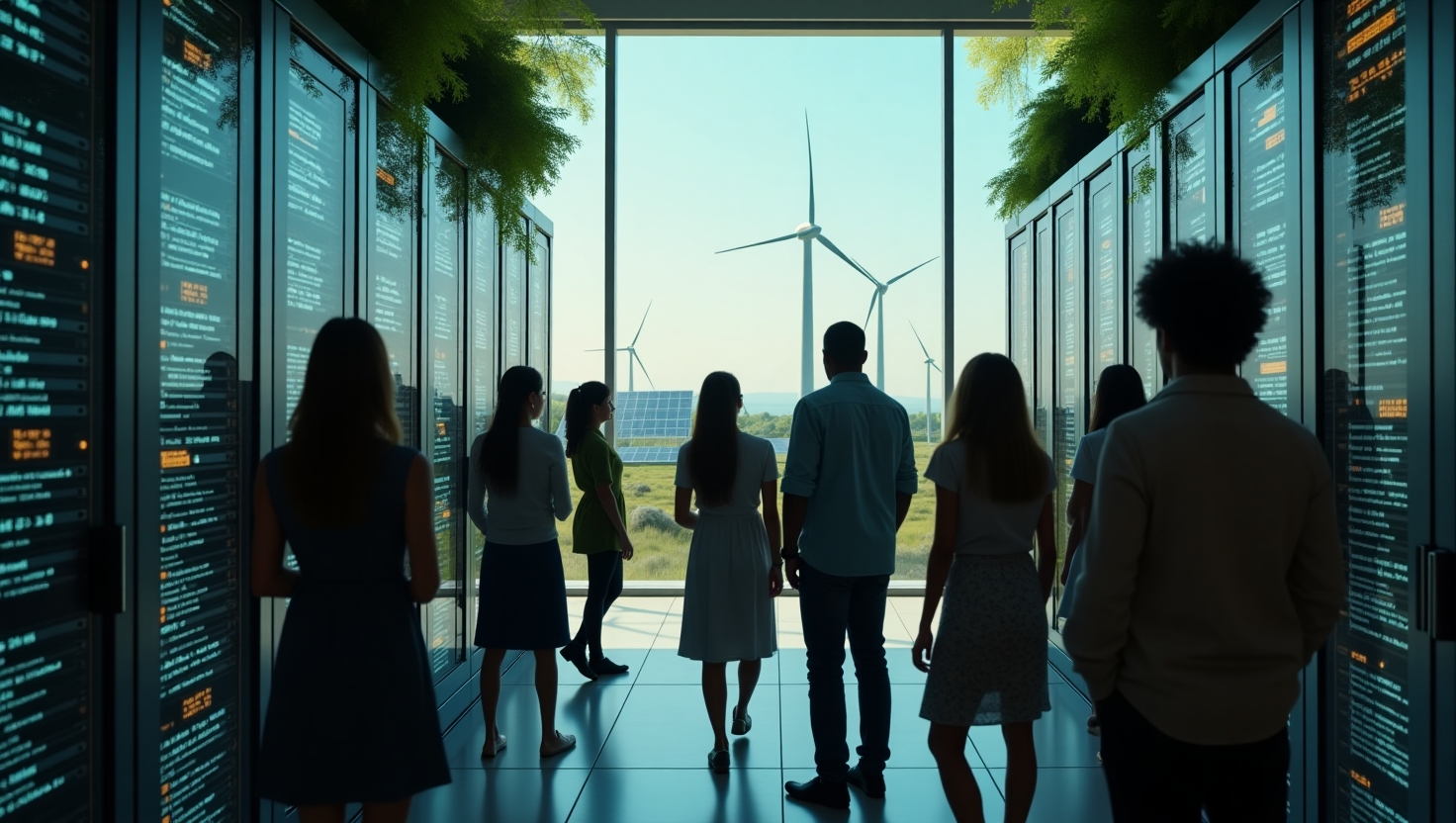
The rapid proliferation of AI data centers reveals both the ambitious thrust of technology companies and the escalating sustainability challenges they face. Companies like Nvidia and AMD are at the forefront, innovating to ensure their data centers can operate more sustainably. Energy efficiency is a key focus area, with new technologies such as advanced cooling systems and renewable energy integration being widely adopted. These attempts aim to quell local opposition, increasingly vocal about the environmental impacts of data centers.
A telling example is Microsoft’s initiative to reduce water usage in cooling systems, a move designed to minimize the footprint of its expanding data center network. Similarly, Amazon is investing in wind and solar farms to offset the energy used by its data centers. The commitment to sustainability is no longer just corporate social responsibility; it’s becoming a critical component of operational strategy in a world where resources are finite, and public scrutiny is intense.
Insight
Investments in AI technology are dramatically influencing the layout and function of data centers. Industry experts like Molly Taft and Sasha Luccioni emphasize the urgency of adopting sustainable practices. Their insights point out the inherent conflict between the growth of AI data centers and sustainability goals. Local opposition, as evidenced in various projects, reflects a public insistence on transparency and accountability — desires that tech companies can’t afford to ignore.
The growing discontent among communities suggests a need for more profound dialogue between corporations and the public. Such conversations could better align corporate objectives with community values and environmental imperatives. The transition to sustainable practices is a complex process, and it’s crucial that stakeholders collaboratively navigate this path.
Forecast
Looking to the future, AI data centers are set to undergo significant transformations to boost sustainability and energy efficiency. As regulatory frameworks evolve and governments introduce stricter policies on greenhouse gas emissions, data centers will likely face heightened accountability. We can anticipate innovations in AI technology to spark new design strategies, including modular data center designs and increased investment in AI-powered energy management systems.
There is potential for breakthroughs in quantum computing and AI-based predictive maintenance, which could redefine data center efficiency. The public’s expectation for sustainable practices will continue to rise, forcing companies to not only meet but exceed current energy efficiency benchmarks.
Call to Action
As we stand on the cusp of this AI-driven transformation, staying informed about the developments in AI data centers is imperative for anyone invested in technology or sustainability. The journey toward minimizing the environmental impact of data centers is a collective one, demanding insights, innovations, and ideas from a broad spectrum of stakeholders.
Engage in the Conversation: Share your thoughts on sustainable AI technology and the importance of energy efficiency. Your insights can contribute to shaping the future of AI data centers, ensuring they become pillars of sustainability as much as they are of technological innovation.