
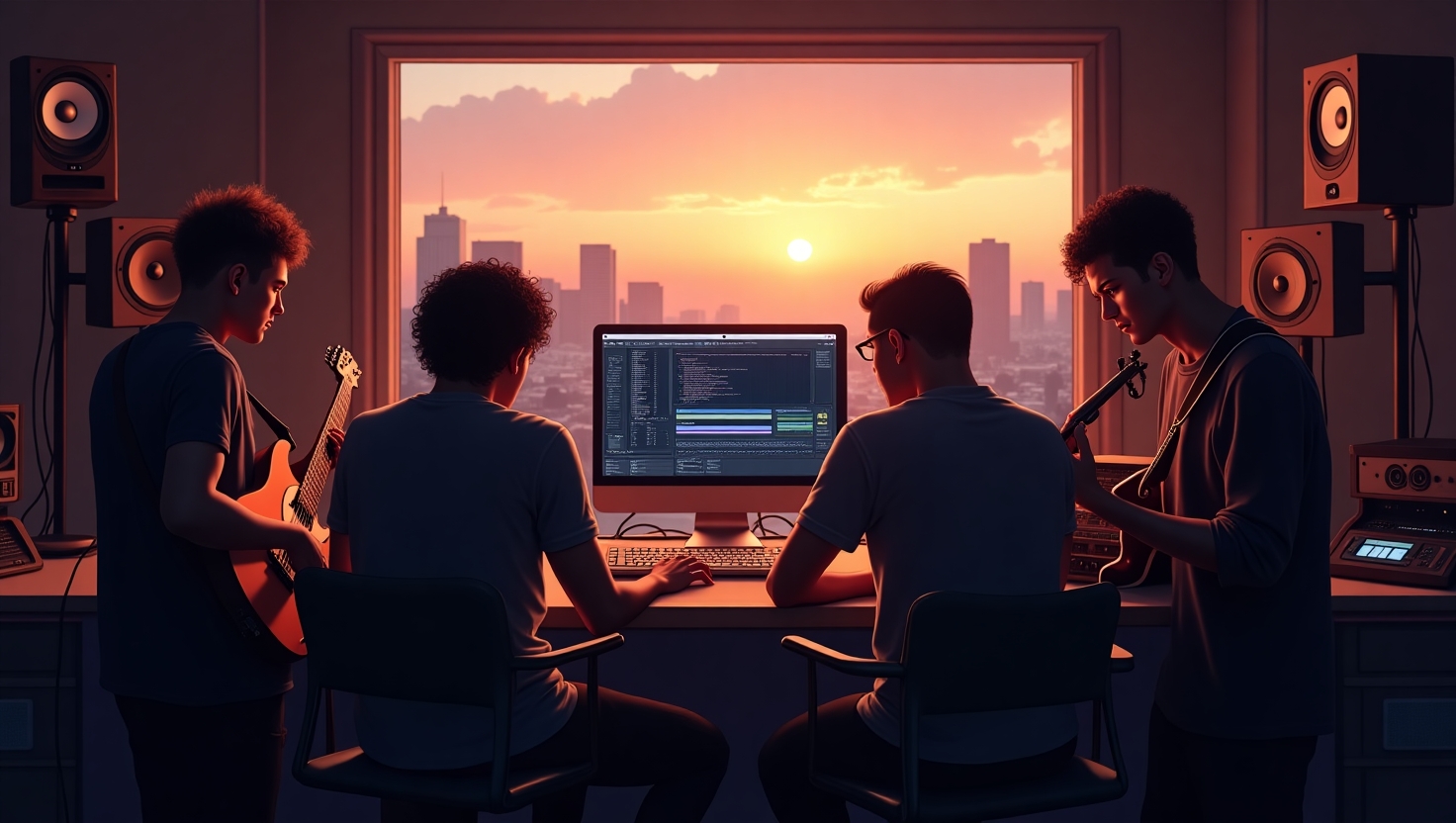
Exploring the Future of Music Creation with Generative Music Tools
Introduction
In an era dominated by technology, the emergence of generative music tools is reshaping how we create and experience music. Driven by advancements in artificial intelligence, these tools are transforming the landscape of music creation and offering groundbreaking opportunities for artists and composers. This blog post delves into the revolutionary concept of AI-powered music creation, highlighting tools being developed by industry leaders such as OpenAI, and explores the potential impact on the future of music composition and consumption.
Background
The landscape of music generation has significantly evolved over recent years, fueled primarily by leaps in AI technology. OpenAI‘s reported foray into developing a generative music tool marks a significant development in this burgeoning field. This tool aims to create compositions based on user-defined text and audio prompts, similar to how a composer might craft a symphony given a thematic concept. This initiative positions OpenAI alongside competitors like Google and Suno, driving a competitive and innovative environment in creative technology.
OpenAI’s collaboration with prestigious institutions like the Juilliard School reflects the increasingly symbiotic relationship between technology and education. By gathering training data and annotating musical scores, OpenAI is leveraging academic expertise to refine its tool—a strategy indicative of the broader collaborative efforts in the tech industry aimed at fusing AI with the arts (source: TechCrunch).
The Trend of AI in Arts
As AI continues to weave its way into the fabric of artistic creation, its presence in music is undeniable. Artists and content creators are progressively leveraging generative music tools to enhance their projects, much like a chef adding a complex blend of spices to elevate a meal. These tools provide the ability to craft custom music tailored to specific moods, narratives, and platforms, enabling content creators to enrich their storytelling with a personalized auditory experience.
Moreover, collaborations between tech companies and academic institutions, such as OpenAI’s partnership with the Juilliard School, point to a growing synergy between technology and education. This indicates a mutual recognition of the importance of fostering creative innovation in music solutions, ensuring these tools are as accurate and expressive as possible.
Key Insights into Generative Music Tools
Understanding how generative music tools function is crucial for both creators and consumers. These tools stand at the intersection of computational creativity and human artistic expression. The core of their operation involves AI algorithms trained on vast datasets to interpret musical parameters and generate compositions that mimic human creativity.
The democratization of music production is one of the most significant impacts of these technologies. With tools like those from OpenAI, creating music becomes accessible to a broader audience, akin to how word processors have simplified publishing. This accessibility challenges the traditional gatekeeping roles of music studios, inviting a more diverse range of voices to the musical conversation.
As companies like OpenAI refine their technologies, the way we think about music composition is being redefined. These tools not only offer unlimited possibilities in terms of customization and creation but also pave the way for new genres that blend human and AI creativity seamlessly.
Future Forecast: What Lies Ahead for Music Creation?
With advancements spearheaded by key players like OpenAI, the future of music creation is bright and brimming with possibilities. We can anticipate a proliferation of generative music tools across various platforms, each enhancing different aspects of the creative process. As AI technologies improve, they will likely capture and replicate the nuanced emotions inherent in human music, offering listeners experiences that are both rich and deeply resonant.
In the coming years, expect to see these tools utilized in novel domains—from film and video game soundtracks to personalized playlists tailored to individual emotional states. As such, generative music tools will undoubtedly usher in a new era of artistic expression, redefining our relationship with music.
Call to Action
Are you ready to explore the potential of generative music tools? By staying informed about the latest developments in AI and music creation, you can harness these cutting-edge technologies for your projects. Follow our blog for updates and insights into the dynamic world of AI in arts, as we continue to chart the course of this exciting evolution in music creation. The future of music is vibrant, inclusive, and powered by AI—don’t miss your chance to be part of it.