
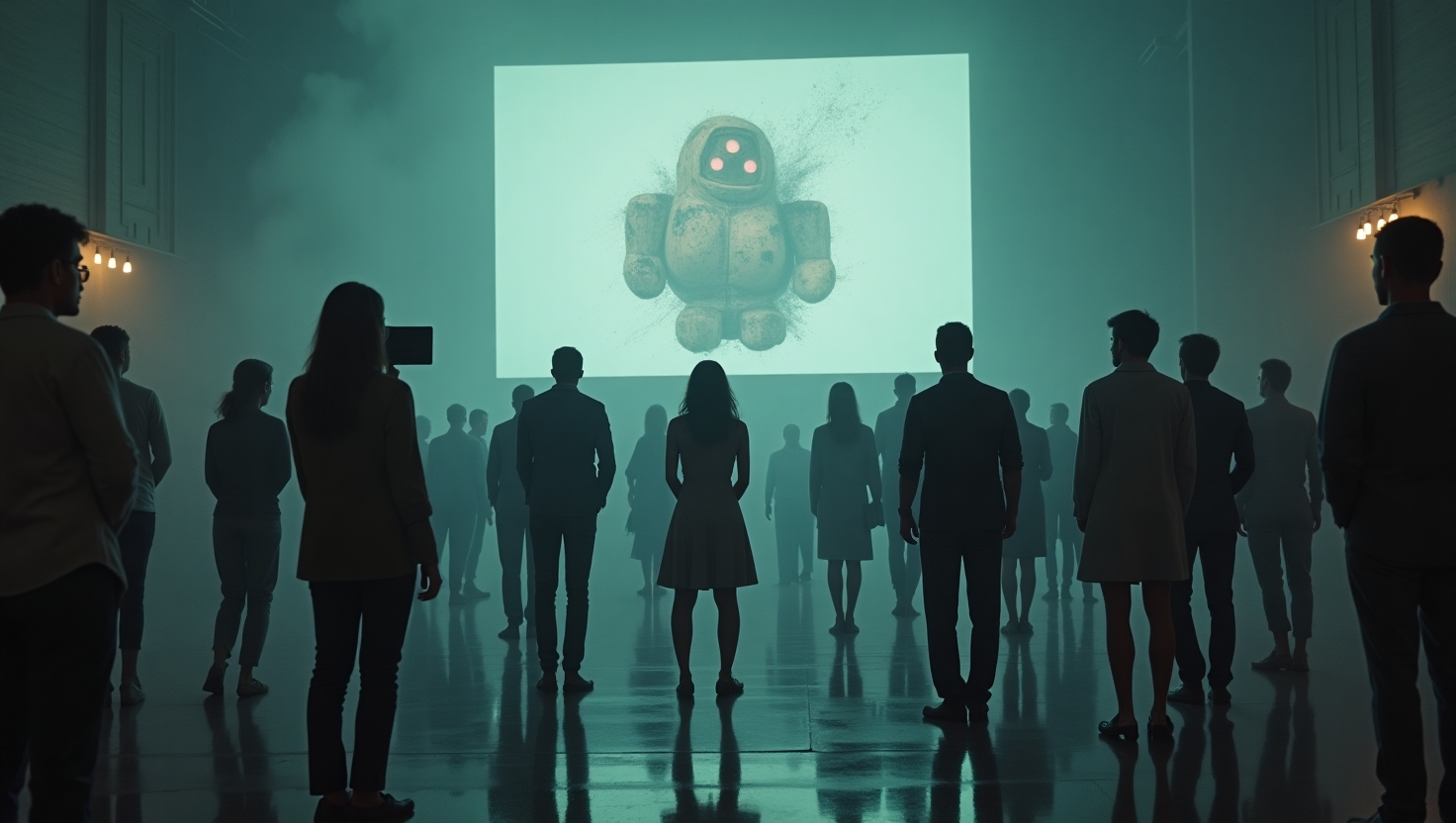
Unraveling AI Conspiracy Theories: The Digital Age of Misinformation
Introduction
In the labyrinth of modern communication, where disinformation spreads faster than ever, AI conspiracy theories have ignited an unsettling discourse. As we peel back the layers of this tangled web of paranoia and skepticism, one thing is clear: AI conspiracy theories aren’t just fringe thoughts relegated to backroom chats. They shape public perception, nudge political leanings, and even challenge the ethical boundaries of technology. When we talk about AI conspiracy theories, we’re not discussing the benevolent uses of AI to improve healthcare or automate mundane tasks. Instead, we’re delving into fears of an AI-driven Big Brother or a future dominated by rogue machines, breeding mistrust and uncertainty in societies globally.
Background
Conspiracy theories have woven themselves into the fabric of societal discourse long before smartphones and social media dominated our lives. Yet, the digital age has given these theories steroids, catapulting them into new heights. Historically, conspiracy theories required grassroots efforts and word-of-mouth to gain traction. Today, they can leverage the boundless reach of the internet and become viral with a simple click, giving rise to a formidable symbiosis with generative AI.
Generative AI, on its own, serves a myriad of constructive purposes, from creating art to designing efficient systems. Nonetheless, when manipulated, it becomes a potent tool in the hands of those spreading disinformation. This technology can churn out misleading articles or fabricated images indistinguishable from reality, muddying the waters of truth and fiction. As we navigate these murky recollections of fact and fabricate, the ethical implications cannot be overstated. The role of technology in feeding and nurturing these fallacies poses a significant question on AI ethics that society must confront head-on.
Trend
In the ever-evolving landscape of AI conspiracy theories, we’ve seen narratives that pivot and adapt in response to technological advancements. One prominent belief revolves around AI creating fake personas to infiltrate political circles, akin to digital Trojan horses. Another narrative questions if AI can autonomously influence election outcomes, a modern-day equivalent to Icarus flying too close to the sun.
Thanks to generative AI’s capabilities, these tales are more compelling and plausible, resonating with audiences eager for simple answers to complex issues. A study by the Pew Research Center illustrates that nearly 64% of adults believe social media enables conspiracy theories to proliferate more broadly source. This alarming statistic underscores the significant role that AI may play in magnifying these inaccuracies.
Insight
As alarm bells ring from all corners of the tech ecosystem, visionaries like Bill Gates vocalize their concerns over the fusion of conspiracy theories and cutting-edge technology. Gates, while passionately investing in climate tech, often taps into the grave repercussions this cross-webbing of ideas may predict if left unchecked. His perspective indicates that even if AI itself is ethically neutral, its exploitation for nefarious purposes is a real societal threat source.
An apt analogy might liken these AI-driven narratives to a game of \”Chinese whispers.\” As conspiracies pass from one individual to another, generative AI enhances the message’s authenticity and complexity, making the end result significantly more inflammatory and credible than the original whisper.
Forecast
Peering into the crystal ball of future predictions, AI conspiracy theories show no sign of abating without intervention. As generative AI grows more sophisticated, the risk of enhanced misinformation and deepening mistrust looms large. In these future scenarios, the onus lies on creating an ethical framework for AI, which not only hinders the path of disinformation but also reconnects truth with public discourse.
The implications here are profound. A future where disinformation thrives unchecked could spur political instability, societal distrust, and a breakdown in communication. Adaptive AI systems proficient in discerning falsehoods from facts seem to be an imperative step forward.
Call to Action
In this age of technological advancement, the moral obligation befalls each of us to critically analyze available information and engage in meaningful dialogue about the influence of generative AI on our perceptions. Encouraging sharper scrutiny of narratives and supporting initiatives to counter misinformation can help shine a light through the pervasive fog of AI conspiracy theories.
Readers, the future hinges not only on capable technology but on informed societies that value truth as much as innovation. Engage, share, and contribute to the initiatives combating the wildfire spread of disinformation. Together, a responsible coexistence with AI beckons—a journey where innovation uplifts rather than obscures reality.
Related Articles
For a deeper dive into the intersection of AI, conspiracy theories, and technology, read the article, \”The Download: Introducing the New Conspiracy Age\”, which explores the encroachment of fringe ideas into the political sphere and highlights technological influences from figures like Bill Gates.