
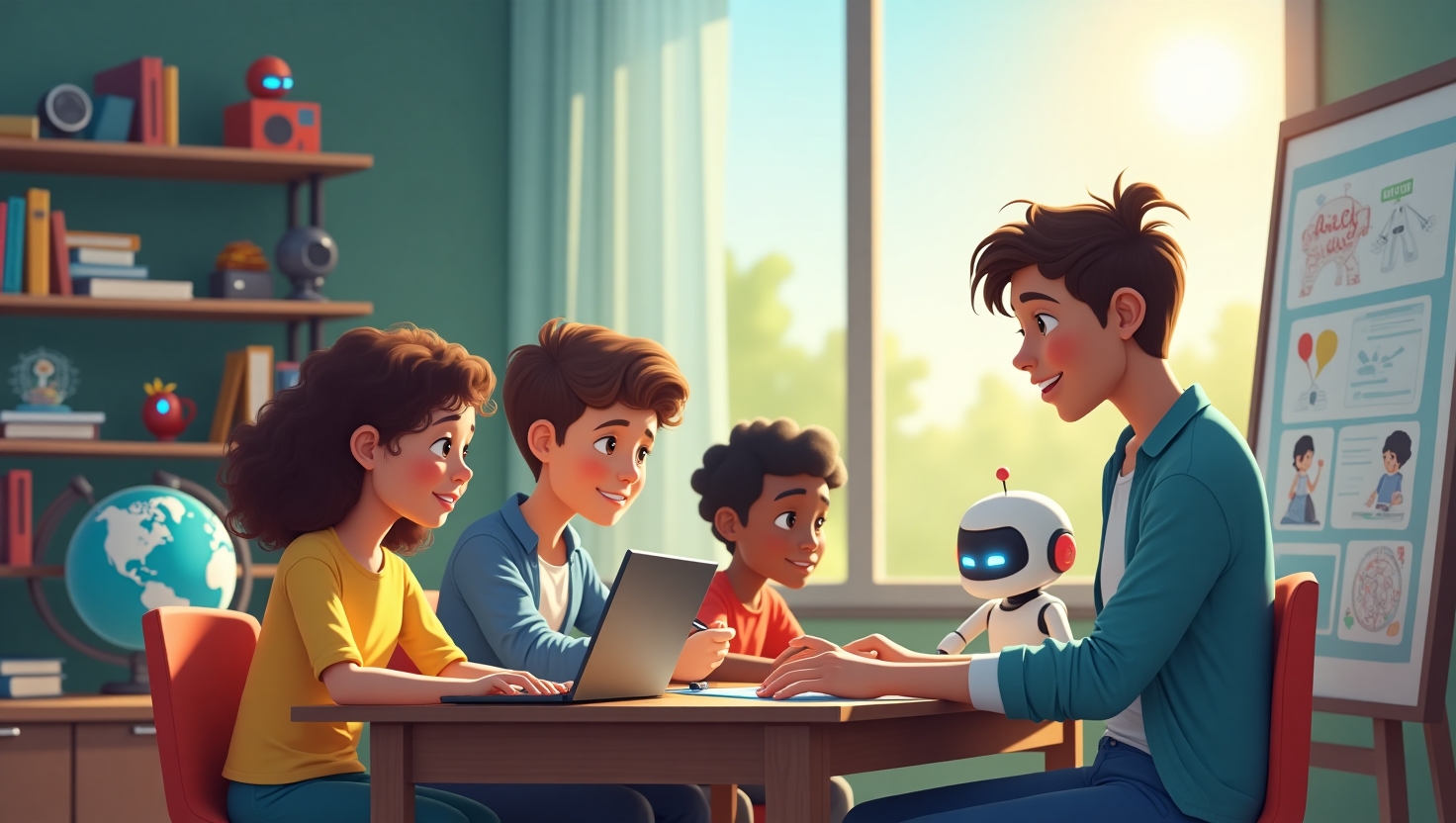
AI in Education: Transforming Learning Experiences with Innovative Technologies
Introduction
In the digital age, AI in Education plays an indispensable role in reshaping learning environments globally. The integration of AI tools into classrooms not only modernizes traditional teaching methods but also personalizes and enhances student learning experiences. Beyond simplifying administrative tasks, AI holds the potential to create interactive, adaptive learning experiences that cater to the unique needs of each student. This post explores the transformative power of AI technologies, such as Google Gemini, and their impact on educational settings.
Background
The evolution of educational technology has paved the way for innovative tools that support learning both inside and outside the classroom. Initially, technology in education was limited to computers and basic educational software. However, as technology has advanced, so too have the resources available to educators and students. Today, technologies like Google Gemini and other AI tools are at the forefront, revolutionizing how knowledge is accessed and delivered. These technologies are not merely add-ons but integral components of modern learning environments.
In Nordic countries, AI integration is visibly reshaping classrooms. For example, schools across Norway employ Google and Gemini for Education tools, promoting AI literacy and encouraging a personalized approach to learning (source: Google Blog). Such initiatives ensure compliance with data protection regulations, indicating a responsible approach towards utilizing AI in education.
Trend
The appeal of AI tools in education is undeniable, representing a growing trend towards tailored educational experiences. Educational technology has matured, emphasizing the importance of personalized learning, where AI adapts to student needs. Advanced tools like Google Gemini enhance learning experiences by crafting educational content that is relevant and engaging. Analogous to a tailored suit, AI technology adjusts the learning process to fit individual student profiles, ensuring effective and efficient learning.
Emerging technologies deliver more personalized and engaging coursework, drastically transforming how students interact with their studies. This trend is supported by data indicating that AI tools save teachers significant time and resources, allowing more focus on individualized student support.
Insight
While AI presents numerous opportunities, it also raises questions about responsible AI usage in classrooms. The implementation of AI technologies must carefully balance innovation with ethical considerations. In Norway, initiatives like the national Data Protection Impact Assessment (DPIA) for Google Workspace assure stakeholders of compliance and transparency (source: Google Blog).
The integration of AI in education presents challenges, such as potential biases in AI algorithms and the need for educator training to effectively harness new technology. Nonetheless, it also offers opportunities to revolutionize education by creating more efficient and engaging learning environments. As Alexandra Ahtiainen, a key player in educational technology, suggests, responsible AI partnerships can lead to \”revolutionary\” teaching materials that better fit the needs of the current generation.
Forecast
The future of AI in Education appears promising, with predictions pointing towards significant enhancements in teaching efficiency and learning flexibility. Emerging tools and technologies are expected to further transform classrooms, potentially reducing teacher workloads and enabling more productive learning experiences. The necessity of responsible and efficient AI tools cannot be overstated, as they will underpin future advancements and shape dynamic educational landscapes.
As the application of AI continues to expand, it is predicted that these technologies will become increasingly commonplace, reshaping the boundaries of conventional education. Tools like Google Gemini are set to play a pivotal role in this transformation, offering insights into student performance and tailoring educational approaches accordingly.
Call to Action
Educators and administrators are encouraged to explore and integrate AI-driven educational tools into their curriculums. By adopting technologies such as Google Gemini, schools can significantly enhance both teaching efficiency and student engagement. For those interested in a deeper dive into AI in education, additional resources and articles provide valuable insights on how to best incorporate these technologies responsibly.
To learn more about the integration of AI in Nordic classrooms and how it is fostering a new era of personalized learning, visit the Google Blog’s detailed post on AI partnerships: Transforming Nordic Classrooms Through Responsible AI Partnerships.