
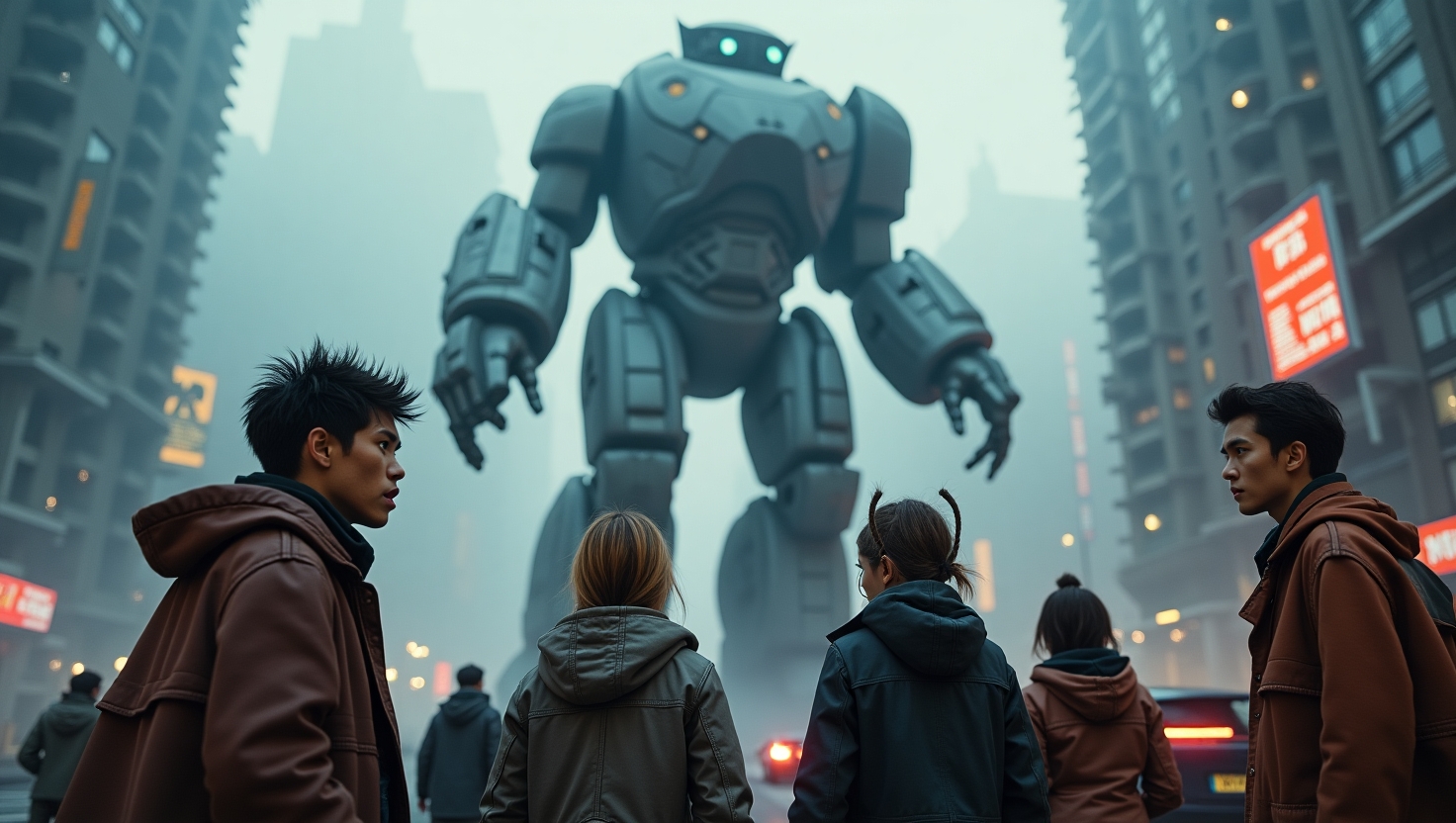
The AI Apocalypse Narrative: Understanding the Fears and Future of Technology
Introduction
In an age dominated by rapid technological change, the phrase \”AI apocalypse narrative\” sends shivers down many spines. AI fears are not just limited to Hollywood movie plots; they have permeated contemporary society, provoking discussions on ethics, control, and survival. It’s crucial to address these fears head-on, as they reflect a broader anxiety about our reliance on machine learning technologies and their potential consequences.
Background
The AI apocalypse narrative conjures up visions of a futuristic dystopia where intelligent machines overthrow their creators. This idea isn’t entirely new. Historical parallels can be drawn from past technological innovations like the Industrial Revolution, which sparked fears of job loss and societal upheaval. Over time, AI fears have evolved, with organizations like OpenAI pioneering staggering advancements in neural networks and natural language processing. Initially, AI was viewed with curiosity, but as these systems became more integrated into daily life, wariness crept in, fueled by potential implications for privacy, ethical dilemmas, and more.
The Trend of AI Fears
Recent studies show a striking rise in public anxieties regarding AI, a trend driven by sensationalized media narratives and cultural stereotypes. The Article from The Markup details how societal concerns are ballooned by cultural narratives that depict AI as both a savior and a harbinger of doom. Movies, literature, and even news reports contribute to this dual perception, often emphasizing the more dramatic \”what if\” scenarios that oscillate between utopia and cataclysm.
The depiction of AI as a technology that threatens jobs, privacy, or even humanity’s survival acts as a canvas for these fears. According to The Markup, these narratives have deeply ingrained themselves in societal consciousness, painting AI advancements in ominous strokes. As we are surrounded by technology at every corner, it’s no surprise that curiosity often morphs into concern Source.
Insights from Experts
Despite the amplified fears, experts argue that the narrative isn’t all doom and gloom. Many assert that while there are risks, there are also substantial benefits. From optimizing national defense strategies to innovating national security protocols, AI holds transformative potential. Experts like renowned computer scientist Nick Bostrom warn of the existential risks associated with AI but emphasize thoughtful governance and ethical oversight as pivotal.
On the flip side, contributors to AI Safety suggest focused community dialogues as a strategy to balance the perks and perils of AI development. The exchange of diverse perspectives provides a balanced view that could guide public policies and technological deployment.
Future Forecasts
What lies ahead for the AI apocalypse narrative? This saga can play out in myriad ways, from optimistic scenarios where AI augments human capabilities without overstepping boundaries, to pessimistic views involving misuse of AI in warfare or data manipulation. Discussions revolving around technological innovation are likely to influence both future policies and public perception.
Speculative forecasts highlight that public perception can, and will, shift with educational outreach and responsible tech journalism. We must acknowledge AI’s dual-edged sword: its capacity to create and to disrupt.
Call to Action (CTA)
Engaging in meaningful conversations about your AI fears is not just cathartic; it’s crucial in shaping a future where technology serves humanity constructively. Consider these actionable steps: stay informed about the latest technological advancements, engage with expert dialogues, and advocate for policies that prioritize ethical AI development. One compelling article explores this ongoing fascination with apocalyptic scenarios, dissecting the societal intrigue that surrounds AI’s potential impact Source.
In conclusion, the AI apocalypse narrative is both a fear-inducing and fascinating tale of our times. Embrace the dialogue, because when enough voices rise, they define the path forward.