
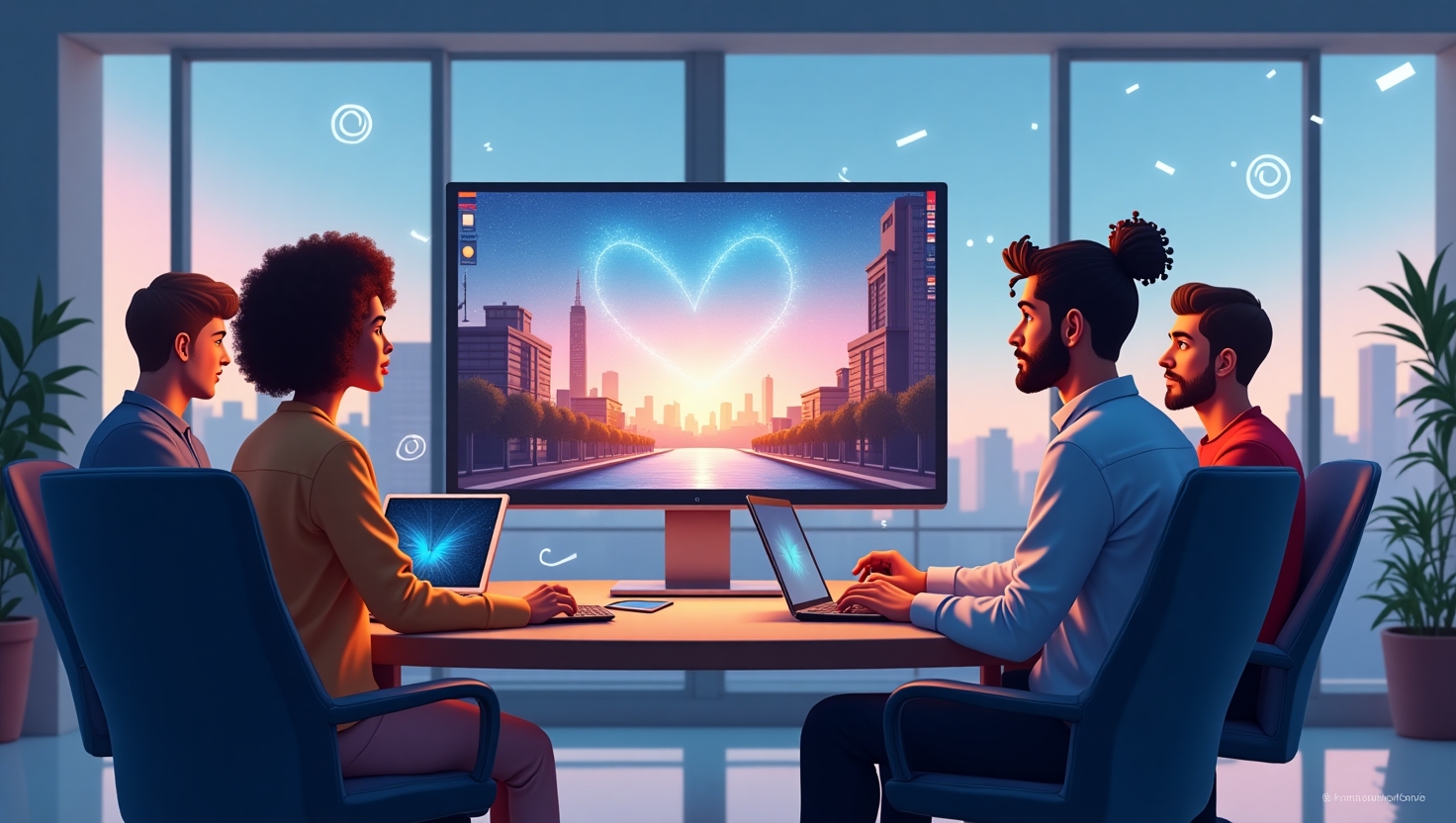
Understanding Text-to-Image Editing: Revolutionizing Visual Content Creation
Introduction
In the rapidly evolving digital landscape, one of the most intriguing advancements is text-to-image editing. This technology has become crucial for designers, marketers, and content creators who are constantly seeking new ways to revolutionize visual content creation. By harnessing the power of natural language processing (NLP) and sophisticated AI in design, these tools enable users to transform textual descriptions into visually stunning images. Whether you’re a professional designer or a hobbyist, understanding and utilizing these tools can lead to more innovative and expressive creations.
Background
Text-to-image editing is rooted in the integration of natural language processing technologies, which enable computers to understand and generate human language effectively. The emergence of vision-language models has been particularly transformative, allowing machines to interpret intricate textual descriptions and generate corresponding images. As Sanya Kapoor aptly noted, \”The rise of text-to-image editing is changing visual content creation,\” underscoring its transformative impact (Hacker Noon).
Historically, creating visual content required substantial skill and time investment. But with advancements in NLP tools, the process has become more intuitive and accessible. These tools leverage extensive datasets and sophisticated algorithms to understand and visualize text input, making them a powerful asset in today’s digital toolkit.
Trend
Text-to-image editing is gaining popularity quickly, largely because it lowers the barrier to entry for visual content creation. Thanks to these tools, anyone can create compelling visuals without needing deep technical expertise. This democratization is an ongoing trend in technology, making AI in design an integral part of modern content creation strategies.
For instance, platforms that offer text-to-image capabilities are empowering users by simplifying complex design processes, allowing even those without design backgrounds to produce high-quality images. This shift not only broadens the audience for creative tools but also fosters inclusivity by enabling diverse groups to express their creativity in unprecedented ways.
Insight
A crucial aspect of this technology’s success is its natural language processing capabilities, which are enhancing user experiences across various industries. Tools like DALL-E and Midjourney let users input a text prompt to receive a sophisticated image that matches their description. This not only speeds up the creative process but also serves a wide array of industries—from advertising to education.
Consider a startup focusing on crafting engaging marketing materials. By using text-to-image editing tools, they can generate unique and customized visuals that resonate with their target audience. This practical application highlights the collaborative potential between technology and creativity, paving the way for more personalized and engaging user experiences.
Forecast
Looking ahead, the future of text-to-image editing is both exciting and complex. As AI and NLP tools continue to evolve, we can expect even more seamless integrations between language and visual content creation. Future advancements might include more context-aware models and tools that better understand cultural nuances, thereby expanding their utility.
However, with these advancements come challenges, such as ethical considerations regarding copyright and the authenticity of generated content. It’s important for developers and users alike to remain vigilant and thoughtful about these implications as text-to-image technologies continue to proliferate.
Call to Action (CTA)
As the landscape of digital content creation continues to evolve, now is a great time to explore text-to-image editing tools. Start experimenting with platforms like DALL-E or looking into resources that can guide you through the process. Not only will this enhance your projects, but it will also give you a competitive edge in today’s creative and professional environments.
For more insights and resources, consider reading related articles such as \”The Rise of Text-to-Image Editing\”. Whether you are a seasoned professional or an enthusiastic beginner, these tools are your gateway to unlocking unprecedented creative potential in visual content creation.