
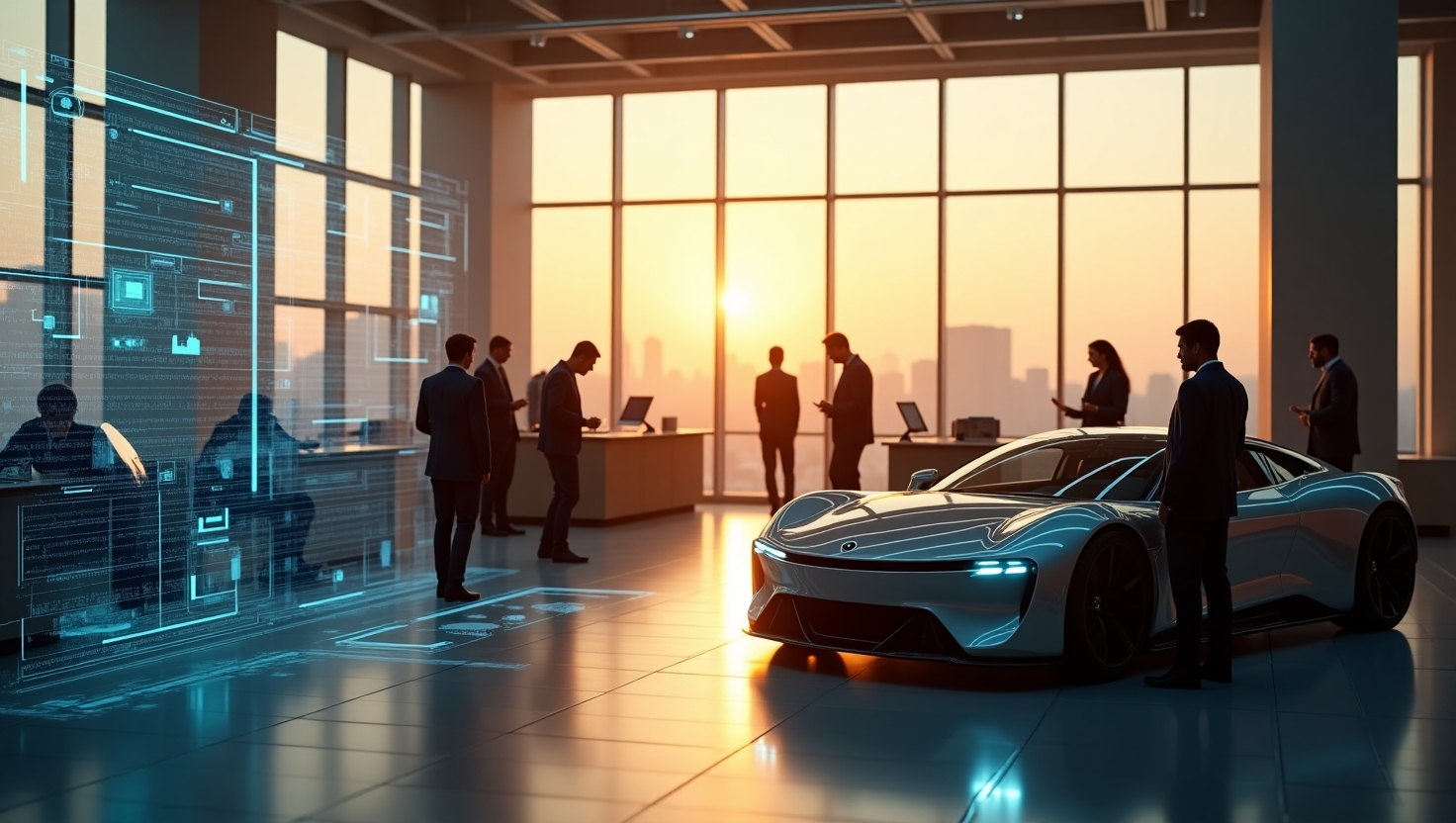
Generative AI in Automotive Design: Reimagining the Future of Cars
Generative artificial intelligence (AI) is increasingly becoming a pivotal force in many industries, notably reshaping the landscape of automotive design. As technology evolves, traditional automakers find themselves at a crossroads, needing to adapt rapidly or risk being left behind in this transformative era. This article explores how generative AI is revolutionizing automotive design, prompting a need for automakers to rethink strategies beyond their conventional paradigms.
Background
Historically, automotive design has revolved around incremental improvements to existing models. Automakers have largely depended on established design blueprints, adjusting elements for efficiency and performance without fundamentally altering the core design architecture. However, this model is limiting in an age where generative AI offers a plethora of new possibilities.
Generative AI uses algorithms to mimic human creativity, providing not only optimization but also innovative design solutions that traditional methods cannot match. With AI, the aesthetic and functional aspects of vehicle architecture can be reimagined from scratch rather than merely enhanced. For example, General Motors recently harnessed generative AI to redesign components, slashing development times by up to 50% (source: Towards Data Science).
Trend
The AI revolution within automotive design is unmistakable. Key players like Tesla and BYD epitomize the shift, demonstrating that leveraging AI transcends simple optimization into a realm of groundbreaking innovation. Tesla, in particular, achieved remarkable profit margins of 16.3% in 2023, largely attributed to their forward-thinking approach to AI integration (source: Towards Data Science).
This broader technological shift isn’t isolated to automotive design; it’s echoed across various sectors such as healthcare, finance, and logistics, redefining how industries operate and compete. The analogy of Kodak, which infamously shelved its digital camera technology to not undermine its film sales, serves as a cautionary tale for traditional automakers clinging to outdated designs.
Insight
Generative AI offers substantial strategic advantages to the automotive industry, enabling a level of innovation that exceeds what traditional methods can provide. Traditional manufacturers risk missing significant opportunities to transform their design processes fundamentally. By sticking to obsolete designs, these companies may find themselves unable to meet the rapidly evolving expectations of modern consumers.
Failure to embrace generative AI could mean not only falling behind competitors who are actively reshaping vehicle architecture but potentially facing obsolescence. Automotive design must evolve in tandem with technological progress to remain relevant and successful in the future marketplace.
Forecast
Looking ahead, the future of cars is poised for considerable transformation with generative AI. We can anticipate a new generation of vehicles that align more closely with consumer expectations for customization and sustainability. AI-driven designs will likely focus on enhanced efficiency, safety, and user-centric aesthetics, propelling an ongoing evolution in the technology in automotive sectors.
As consumer demands shift towards more personalized and efficient vehicles, automakers that integrate generative AI into their design processes will be better positioned to lead the industry. The ongoing transformation suggests a shift from traditional manufacturing to a more dynamic, AI-driven approach that balances innovation with consumer demands.
Conclusion
With the restlessness of technological evolution, staying informed about developments in generative AI within automotive design is crucial for industry stakeholders and enthusiasts alike. To stay updated, consider subscribing to our newsletter or joining discussions about the future of cars. The era of generative AI in automotive design is not just promising; it is here, steadfastly redefining how we think about transportation and innovation.
Related Articles: \”Generative AI Will Redesign Cars, But Not the Way Automakers Think\”
By embracing AI, the automotive industry can reimagine itself and move aggressively towards a future that promises not only survival but continuous growth and success in a rapidly changing world.